Episode 11: Farming, Cows & the Dairy Industry with Brian Anderson
Most Australians interact with the dairy industry every day. Whether it’s milk on cereal, cheese on a sandwich or ice cream on a hot summer afternoon, dairy products are a staple in many households.
Yet very few people have seen what happens before that milk reaches the supermarket shelf.
In Episode 11 of The Middle Ground Project, we sat down with Gippsland dairy farmer Brian Anderson to discuss life on a modern dairy farm, how milk is produced, the role of genetics and technology, and some of the biggest misconceptions surrounding the industry.
Brian isn’t just an experienced dairy farmer. He has also been recognised within the industry for excellence in dairy cattle breeding and management, building a reputation through decades of dedication to animal husbandry and farm performance.
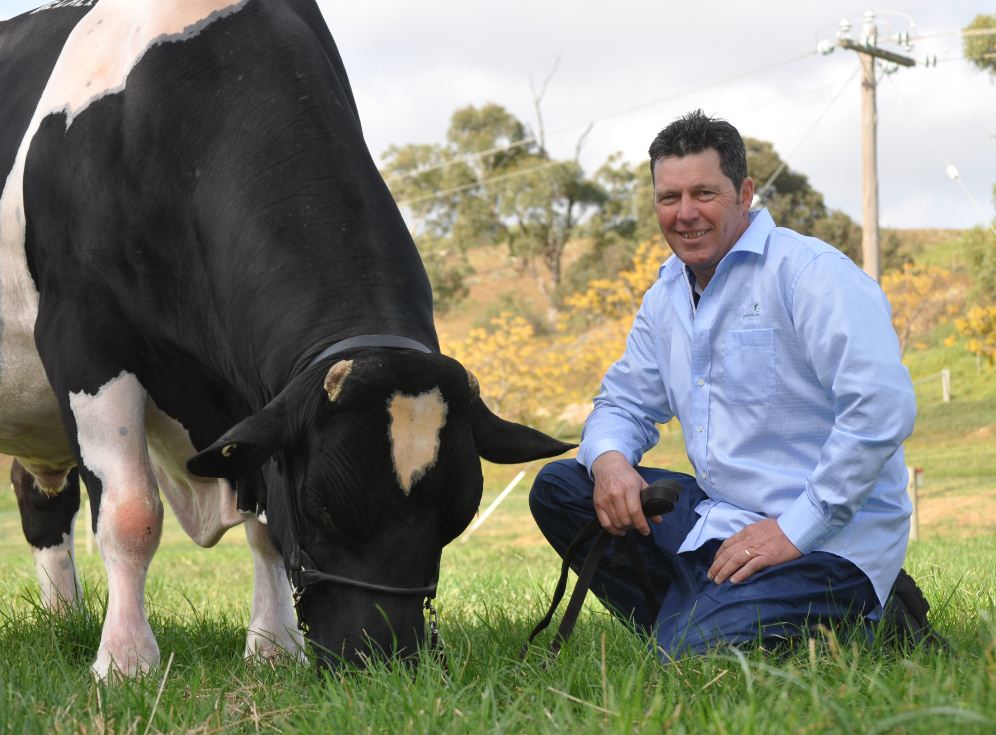
A Farm That Never Stops
Unlike many industries that operate Monday to Friday, dairy farming is a seven-day-a-week commitment.
Cows need to be milked every day, fed every day and monitored every day. There are no weekends for a dairy herd.
When discussing milk production, Brian explained that the public is often surprised by both the scale of production and the consistency required to maintain it.
“At peak the cows will average 30 litres each. Our farm will produce about 1.6 million litres for the year.”
More Than Just Grass
One of the strongest themes throughout the conversation was the complexity involved in managing nutrition.
The quality of milk isn’t determined by a single factor. Everything from pasture quality to grain supplementation influences the final product.
As Brian explained:
“The species of grass, the quantity of grass, the quality of the grass, the quality of the grain we’re feeding them and the quality of the solids will feed them all affect the milk yield.”
Producing milk isn’t simply a matter of putting cows into a paddock and waiting.
Farmers constantly balance pasture growth, weather conditions, feed quality and herd health to ensure cows receive adequate nutrition while maintaining productivity and welfare.
Sustainability Starts in the Soil
A common misconception is that dairy farms simply take from the land.
In reality, sustainable dairy production requires careful management of soil fertility and nutrient cycling.
Brian explained that every time pasture is harvested or consumed, nutrients leave the paddock and must eventually be replaced.
“You have to put back in to keep the soil sustainable.”
He went on to explain:
“Otherwise you’re going to burn the farm out if you’re not putting back in what you’re taking out.”
The principle is simple but important. Healthy soils produce healthy pasture, healthy pasture supports healthy cows, and healthy cows produce quality milk.
It’s a reminder that successful farming is often about long-term stewardship rather than short-term gains.
The Genetics Revolution
One of the most fascinating parts of the discussion focused on artificial insemination and modern breeding technology.
For many consumers, breeding programs remain largely invisible, yet they play a major role in shaping the future of dairy herds.
Brian explained how sexed semen technology has transformed the industry.
“That means that between 90 and 96 percent of the sperm in the straw is female.”
This allows farmers to significantly increase the likelihood of producing heifer calves, which are the future milking cows of the herd.
The technology not only improves herd replacement rates but can also reduce the number of unwanted male dairy calves being born, addressing an issue that has received increasing public attention in recent years.
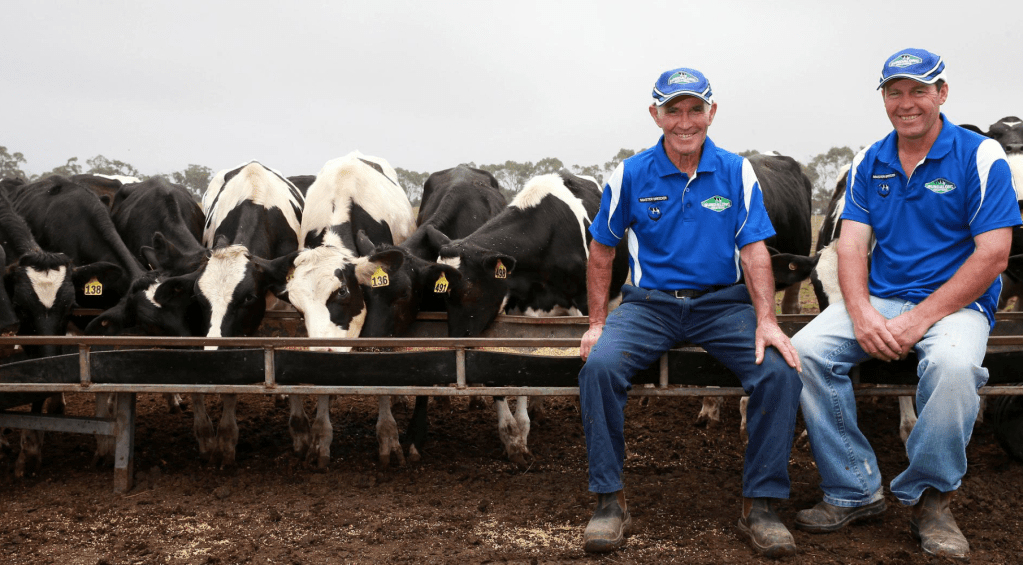
Image source: The Weekly Times
Raising the Next Generation
The conversation also explored calf management and the increasing use of technology to improve both welfare and efficiency.
One example was an automated feeding system that allocates feed based on individual calf requirements.
Brian described how the system works:
“Each calf can have two kilograms of grain a day.”
Once a calf reaches its allocation, the system prevents additional feed being consumed.
“It’s not just a workload thing, it is a management thing that the grain that you’re buying as a cost is going into the right animal.”
Technology like this allows farmers to monitor individual animals more closely than ever before while ensuring resources are used effectively.
Rather than replacing good stockmanship, these systems provide farmers with better information to make management decisions.
What Makes a Great Dairy Cow?
Outside the industry, many people are surprised to learn that dairy cattle are assessed and judged much like elite athletes.
Brian has been involved in breeding high-performing dairy cattle for many years, and understanding what makes a great cow goes far beyond milk production alone.
Structural soundness, longevity, udder health, fertility and efficiency all contribute to a cow’s value.
The best dairy cows are not simply the highest producers. They are animals capable of producing consistently while remaining healthy and productive over many years.
This long-term focus reflects a broader reality of farming: success is measured in generations, not just seasons.
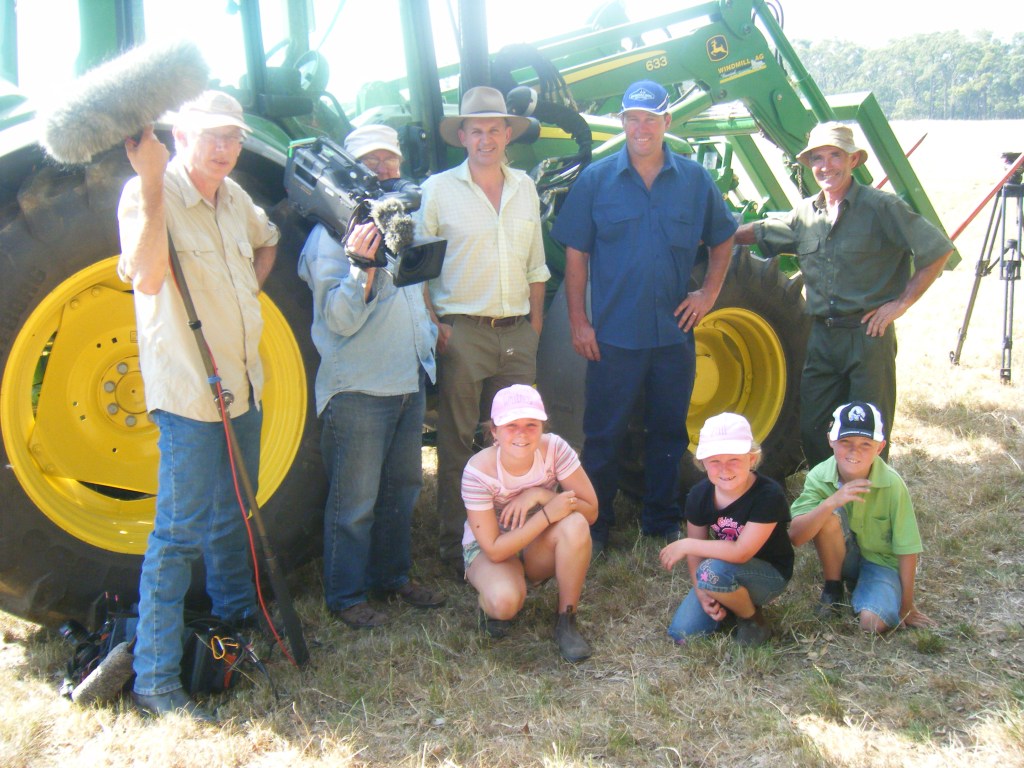
Image: Filming for ABC program Landline in 2009
Connecting Consumers and Farmers
One of the recurring themes throughout The Middle Ground Project is the disconnect that can exist between consumers and food production.
For many Australians, farming remains something that happens out of sight.
Yet every litre of milk represents countless decisions involving animal care, pasture management, breeding, nutrition, infrastructure and environmental stewardship.
Conversations like this help bridge that gap.
Rather than viewing farming through headlines or social media debates, hearing directly from producers provides valuable insight into the realities of modern agriculture.
Finding the Middle Ground
The dairy industry sits at the intersection of food production, animal welfare, environmental management and rural communities.
As our conversation with Brian Anderson demonstrated, dairy farming is far more complex than many people realise.
Behind every bottle of milk is a system that requires constant management, innovation and care.
Whether discussing pasture quality, genetics, calf welfare or sustainability, one thing became clear: successful dairy farming is built on a deep understanding of both animals and the land they depend on.
And perhaps that’s exactly why conversations like these matter.
The more we understand where our food comes from, the better equipped we are to have informed discussions about the future of agriculture in Australia.
Further Reading
Learn More About Dairy Farming
Dairy Genetics & Artificial Insemination
Brian Anderson’s Industry Recognition
- Genetics Australia: Edallion’s Legendary Status Recognised
- The Weekly Times: Passion for Life in the Fast Lane
 The Middle Ground Project