The Brumby Debate: Heritage, Conservation & Finding the Middle Ground
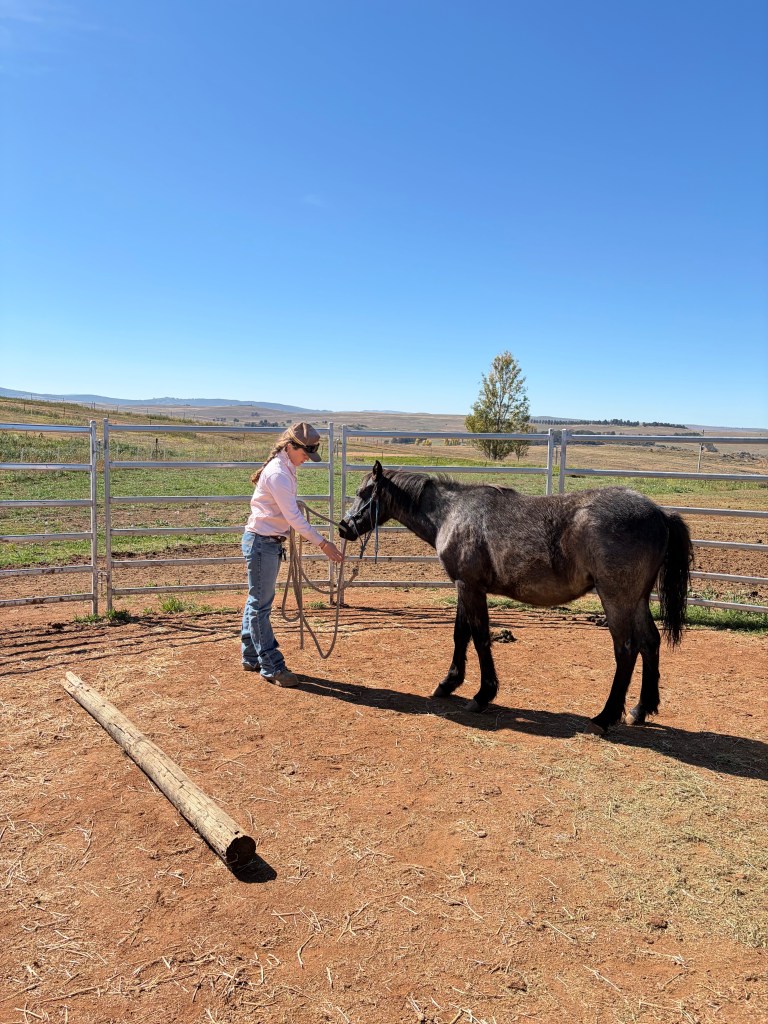
Few environmental issues in Australia create as much emotion, division and identity as the brumby debate. For some Australians, brumbies represent freedom, resilience and a living connection to the nation’s pastoral and military history. For others, they are an introduced feral species causing severe damage to fragile alpine ecosystems and threatened wildlife.
In Episode 15 of The Middle Ground Project, we sat down with Lily, someone with experience in horse breaking, regenerative agriculture and aspirations to work in Parks & Wildlife to unpack one of the country’s most polarising conservation conflicts.
Rather than trying to “pick a side,” the goal of the conversation was simple: create a space where both perspectives could actually be heard.
The History Behind Brumbies
Horses first arrived in Australia with the First Fleet and quickly became essential to transport, farming and exploration throughout the colonial and industrial periods. Over time, escaped and abandoned horses formed wild populations across the Australian landscape.
Brumbies became heavily embedded in Australian folklore through stories like The Man from Snowy River and the legacy of the Walers, most Australian horses used during World War I for transport, scouting and hauling artillery.
For many Australians, brumbies are more than just horses.
“A lot believe that these hardy high country horses were used during WW1 and that majority didn’t return.”
The cultural attachment to brumbies remains especially strong in alpine communities where horses and cattle grazing were historically tied to livelihoods and identity.
For readers wanting to explore the cultural and historical perspective further:
The Environmental Argument
On the other side of the debate is the ecological reality facing Australia’s alpine regions.
Scientists, park managers and conservation groups argue that large populations of feral horses damage wetlands, compact soils, erode streambanks and threaten native species already under pressure from climate change, fire and habitat fragmentation.
Kosciuszko National Park has become one of the key battlegrounds in this debate.
The NSW parliamentary inquiry into aerial shooting of brumbies highlighted the scale of concern around both environmental impacts and population growth.
Environmental organisations such as the Invasive Species Council argue that horse populations have increased rapidly and that active population control is necessary to protect alpine ecosystems and endangered species.
For readers wanting to explore the ecological side further:
- Invasive Species Council – Feral Horse Information
- NSW National Parks – Wild Horse Management
- ABC News – The Brumby Debate
The Welfare Question
One of the most confronting parts of the modern brumby debate is how populations should actually be managed.
The parliamentary inquiry into aerial culling revealed major disagreements between animal welfare advocates, conservationists and government agencies.
Some groups argue aerial shooting is necessary due to the scale and remoteness of horse populations. Others believe aerial culling creates unacceptable welfare risks and advocate for alternatives like trapping, rehoming, fertility control or ground-based euthanasia.
A quote referenced during discussions surrounding the inquiry captured the emotional intensity of the issue:
“It is possible to care about both.”
That tension sits at the heart of the debate. Many Australians simultaneously value native ecosystems and feel emotionally connected to the horses themselves.
The Corroboree Frog & Land Management Debate
The conversation also explored broader questions around land management and whether traditional grazing knowledge has been dismissed too quickly in modern conservation policy.
One example often raised in these discussions is the decline of the critically endangered Southern Corroboree Frog after changes to alpine grazing management.
During the episode, figures were referenced showing male call counts reportedly declining after cattle were removed from some alpine areas. While this remains highly contested scientifically, it highlights a larger frustration many rural Australians feel that local land management knowledge is sometimes excluded from environmental conversations.
Rather than presenting these claims as settled fact, the episode focused on why these perspectives continue to resonate so strongly with people living and working in these landscapes.
Why This Debate Matters
The brumby debate is not really just about horses.
It reflects a much bigger Australian conversation:
- What counts as “natural” in a heavily modified landscape?
- Can heritage and conservation coexist?
- Who gets to decide how landscapes are managed?
- How do we balance science, culture, emotion and ethics?
Too often, these conversations become hostile almost immediately. Labels like “feral pest” or “heritage icon” can shut down nuance before dialogue even begins.
That’s exactly why this episode exists.
Finding The Middle Ground
At The Middle Ground Project, the goal has never been to tell people what to think.
It’s about slowing down enough to actually hear why people think the way they do.
The brumby debate is complicated. There are genuine ecological concerns. There are also genuine cultural, historical and emotional attachments tied to these horses. Ignoring either side only pushes Australians further apart.
If we want better environmental outcomes in the future, we need conversations where people feel safe enough to speak honestly, even when they disagree.
Because the middle ground is rarely found by shouting louder.
 The Middle Ground Project