From Bush to Bowl: The True Blue Story of Pet Nutrition
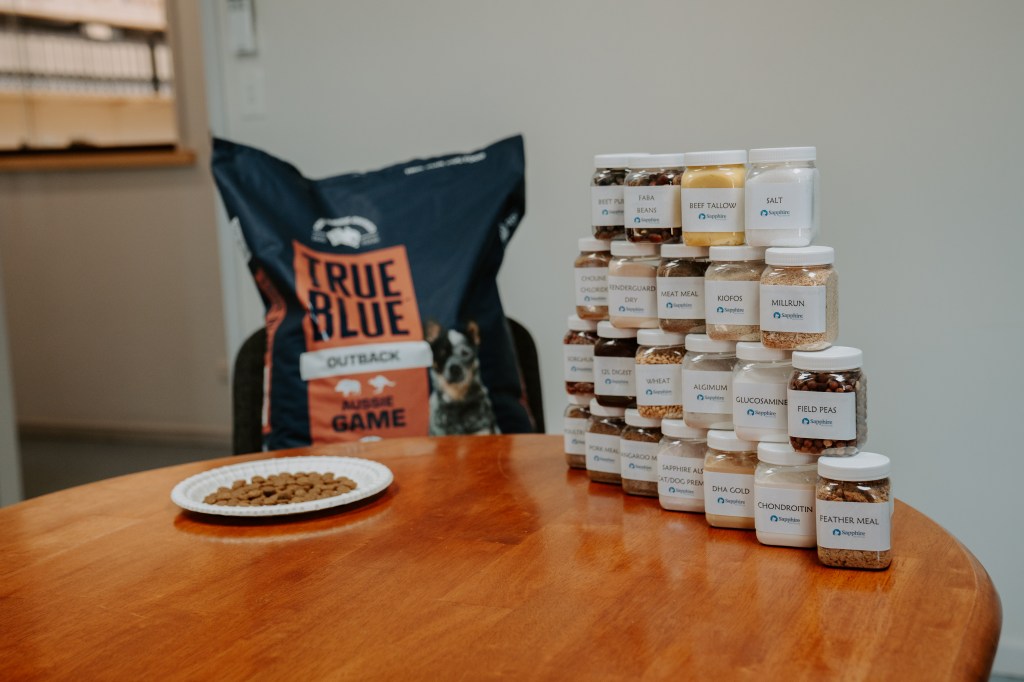
When we feed our dogs each day, most of us don’t think much about where that food comes from, how it’s made, or who formulated it. In Episode 5 of The Middle Ground Project, we sat down with Neil Thorneycroft from True Blue Aussie Pet Food to explore the world of pet nutrition, working dogs, Australian manufacturing and the responsibility that comes with feeding animals that depend entirely on us.
Neil’s involvement in the industry spans decades and covers every stage of the process.
“I’ve made the food, I’ve tested the food, I’ve fed the food, I’ve marketed the food, I’ve formulated the food.”
That level of hands-on experience has given him a unique perspective on what animals need nutritionally and the importance of getting it right.
Why Pet Nutrition Matters
One of the strongest messages from the conversation was the responsibility pet owners have when choosing what to feed their animals.
Unlike wild animals that can seek out different food sources, most domestic dogs rely entirely on what is provided to them.
“What I quickly learnt in the early days is if your dog’s in the backyard and you’re feeding that food, it hasn’t got access to any other source of food or nutrition.”
This means pet food must do more than simply fill a dog’s stomach. It must provide all the nutrients required for growth, development, health and performance throughout the animal’s life.
For Neil, creating nutritionally complete diets has always been at the centre of what True Blue does.
Feeding Australia’s Working Dogs
Working dogs are some of the hardest-working animals in the country. Whether they’re mustering cattle, moving sheep or working long days on farms, their nutritional requirements can be very different from those of the average pet dog.
Neil explained that one of the goals behind True Blue Working Dog food was creating a formula that could support dogs through all stages of life.
“You can feed it to the puppy, you can feed it to the gestating lactating bitch, you can feed it to the working dog, you can feed it to the adult dog, you can feed it to the mature dog.”
For farmers managing multiple dogs, having a reliable feed that can be used across different ages and life stages can simplify management while ensuring dogs receive the nutrition they need.
Supporting Australian Agriculture
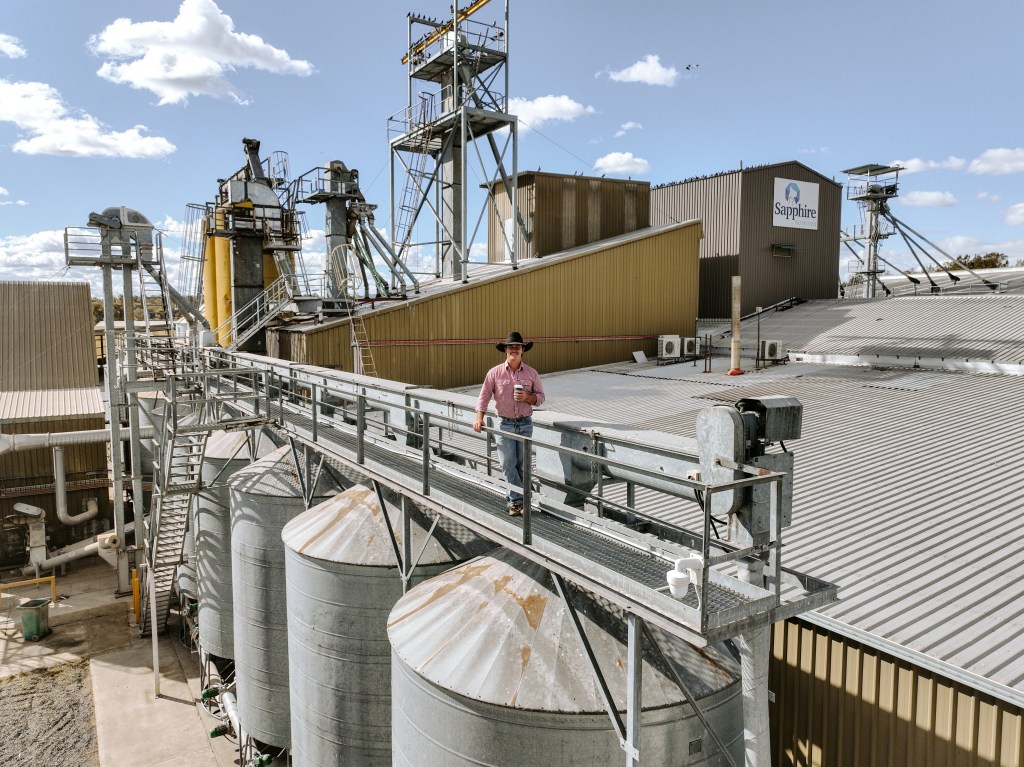
The discussion also highlighted the connection between pet food and Australian agriculture.
Many ingredients used in pet food can be sourced from overseas, often at a lower cost. However, Neil explained that supporting Australian producers has always been a priority.
“We could use corn and soy which you can import from overseas and they’re going to be cheaper than the local grains, but we’d rather use local.”
Choosing Australian ingredients helps support local farmers, regional businesses and rural communities while keeping more investment within Australia.
As Neil put it:
“This is investing in Australia and supporting Australia.”
More Than Just Pet Food
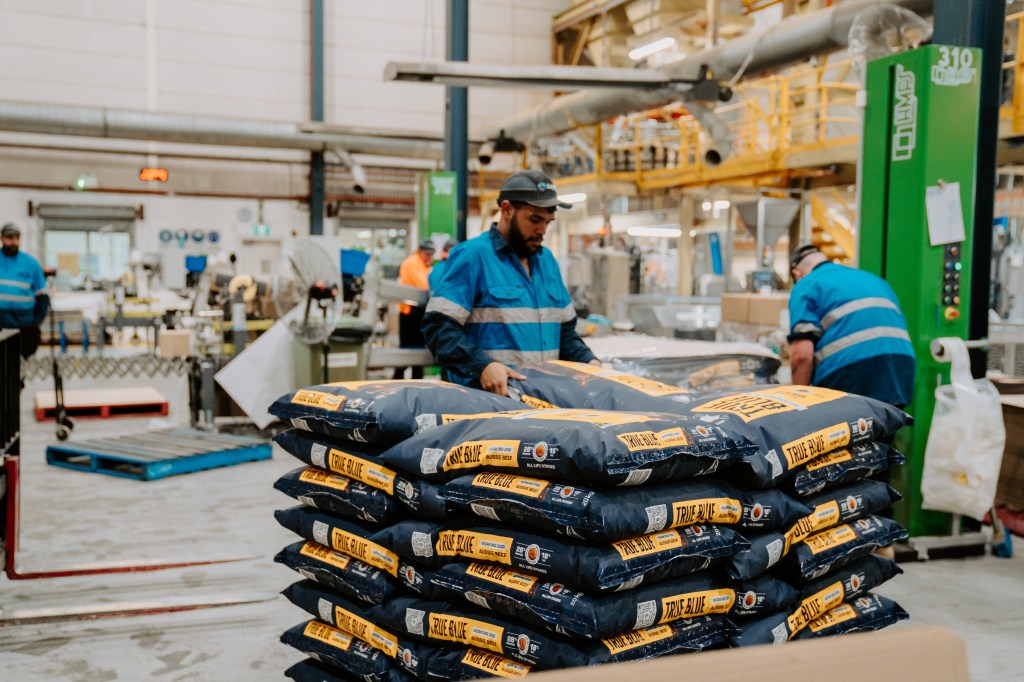
The conversation wasn’t only about nutrition. It was also about manufacturing, jobs and regional communities.
Neil spoke about the importance of employing local people and supporting local industries wherever possible.
“We want to be proud that we’re local, we want to hire local people.”
Following the disruptions caused by COVID-19, rebuilding local employment became an important focus for the business.
“We try and use local wherever we can.”
For consumers, the products they choose often have impacts far beyond the food bowl. Supporting Australian-made products can help create jobs, strengthen regional economies and keep manufacturing skills within the country.
Sustainability and Reducing Waste
Sustainability was another important theme throughout the conversation. Neil explained that one of the advantages of pet food manufacturing is the ability to utilise parts of livestock or game that would otherwise have limited value in the human food chain.
By using the whole carcass wherever possible, none of the animal goes to waste. This means more value is obtained from the resources, land, water and energy that were used to raise that animal in the first place.
Rather than allowing usable protein sources to become waste, they can be converted into high-quality nutrition for pets. Reducing food waste is increasingly recognised as an important part of lowering greenhouse gas emissions, as wasted food represents wasted resources throughout the production process.
“If you’ve got a resource there, let’s utilise it.”
The conversation highlighted that sustainability doesn’t always require new technology or complicated solutions. Sometimes it simply means using more of what we already produce, reducing waste and creating value from resources that might otherwise be discarded.
Finding the Middle Ground
Throughout the episode, a common theme emerged that is making informed choices.
Whether it’s understanding pet nutrition, supporting Australian farmers, choosing locally made products or caring for working dogs, the decisions we make every day have wider impacts than we often realise.
Neil’s story demonstrates that good pet nutrition isn’t just about food. It’s about responsibility, animal welfare, regional communities and supporting Australian industries.
From bush to bowl, every step matters.

