Inside the Life of Wildlife Rescue: Jacob Watt on Bushfires, Floods and Fighting for Australia’s Wildlife
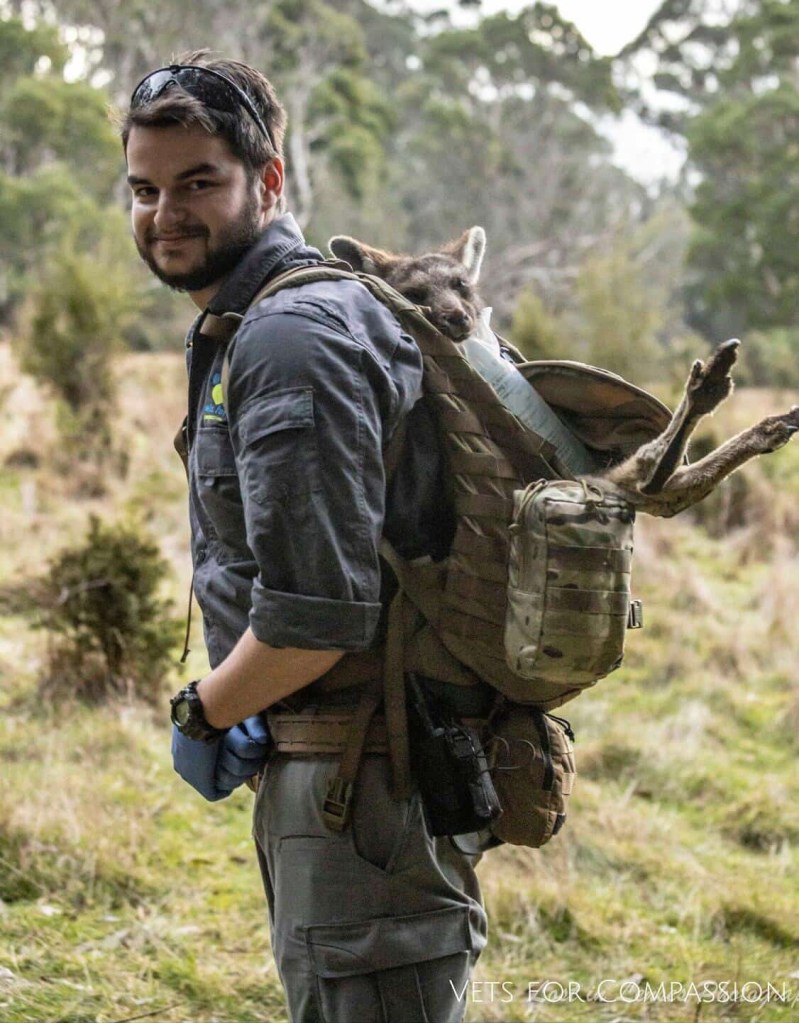
Wildlife rescue is one of those jobs most people only think about when something goes wrong. A kangaroo hit by a car. A possum caught in fencing wire. A koala injured in a bushfire.
For wildlife rescuer and zookeeper Jacob Watt, those moments aren’t occasional, they’re everyday reality.
In this episode of The Middle Ground Project, Jacob takes listeners behind the scenes of wildlife rescue, sharing stories from some of Australia’s largest natural disasters, the emotional toll of working with injured animals and why wildlife carers are often there on the worst day of an animal’s life.
As Australia faces an ongoing biodiversity crisis, conversations like this are becoming increasingly important.
The Reality of Wildlife Rescue
Many people imagine wildlife rescue as cuddling joeys and releasing animals back into the bush.
The reality is often much harder.
Jacob explained that rescuers are frequently called when animals are injured, trapped or suffering.
“We’re there for the worst day of their life.”
Whether it’s a kangaroo struck by a vehicle, an orphaned possum or an animal suffering after a natural disaster, wildlife rescuers are tasked with making difficult decisions while trying to minimise suffering.
The work can be physically exhausting, emotionally draining and often unpaid.
Yet volunteers continue to answer the call.
On the Frontline of Australia’s Disasters
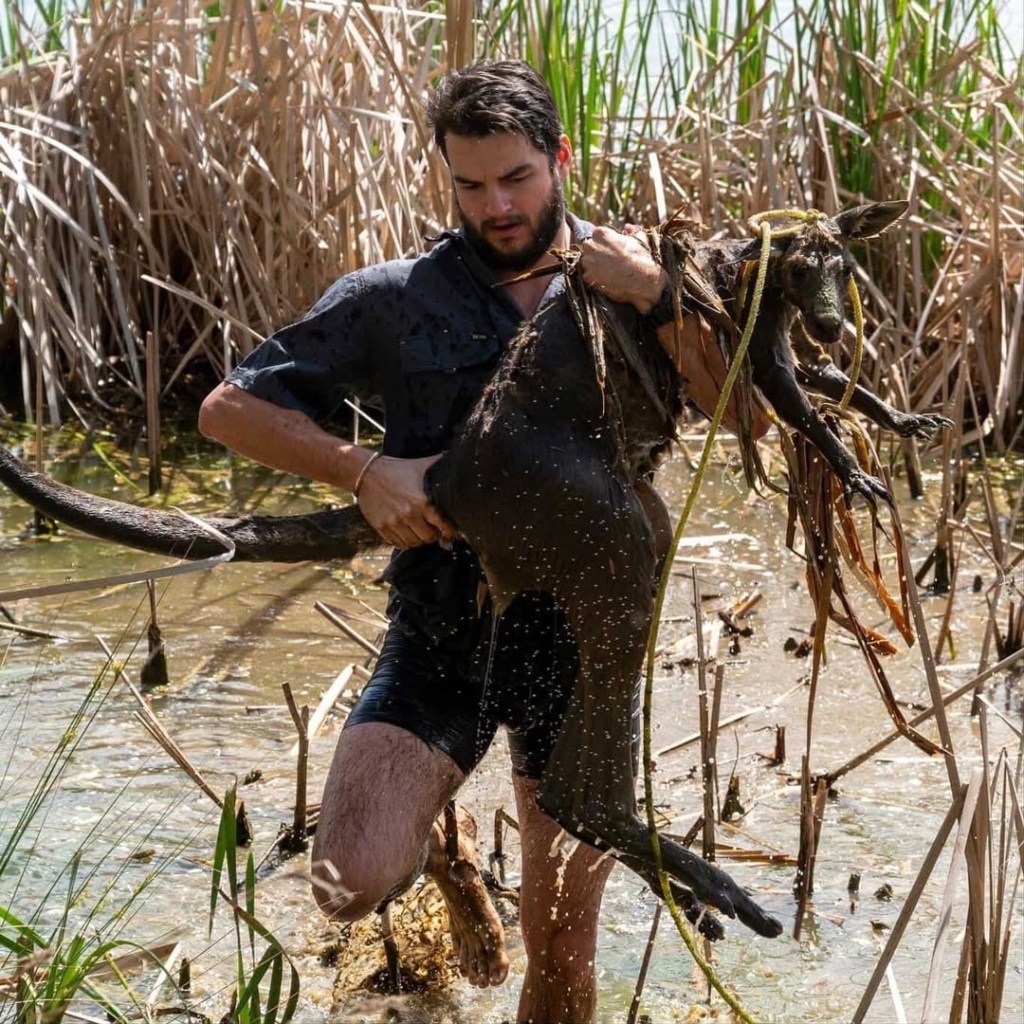
The 2019–2020 Black Summer bushfires were one of the largest environmental disasters in Australia’s history.
More than 15,000 fires burned across the country, affecting approximately 19 million hectares of land. Scientific assessments later estimated that nearly three billion mammals, reptiles, birds and frogs were killed, injured or displaced by the fires.
The fires were so severe that researchers described them as one of the worst wildlife disasters in modern history. Some species already under pressure may have suffered population declines from which they may never fully recover.
During the Black Summer fires, Jacob led a team of ten wildlife rescuers.
While bushfires dominate headlines, Jacob described the Lismore floods as equally devastating. He spent more than five weeks on the ground helping affected communities and animals.
“I was the first boots on the ground for our team there and I was the last to leave.”
One story particularly highlighted the scale of loss experienced by regional communities.
Jacob recalled speaking with a cattle producer who had suffered unimaginable losses.
“He said that he had 450 head of cattle and he had 20 left.”
The floods affected not only wildlife but entire farming communities, reminding listeners that natural disasters rarely impact just one group.
They affect people, livestock, wildlife and ecosystems simultaneously.
Why Wildlife Rescue Matters
Australia has the highest mammal extinction rate in the world, having lost more mammal species than any other continent since European settlement. Many more species remain threatened by habitat loss, invasive predators and changing fire regimes.
For Jacob, wildlife rescue plays a vital role in slowing that decline.
He explained that without carers, rescuers and rehabilitation networks, countless injured animals would simply be left to suffer.
“If we don’t have that protection, a lot of our animals would go extinct.”
Wildlife rescue alone cannot solve Australia’s conservation challenges, but it provides a critical safety net for animals that would otherwise have no chance.
One of the most interesting themes from the episode was that wildlife rescue isn’t only about animals.
It’s also about people.
Jacob spoke about veterinarians volunteering their time during disasters, rescue teams travelling across state borders to help and local communities coming together when everything else seemed to be falling apart.
In moments of crisis, wildlife rescue becomes a story of community resilience as much as conservation.
Looking Forward
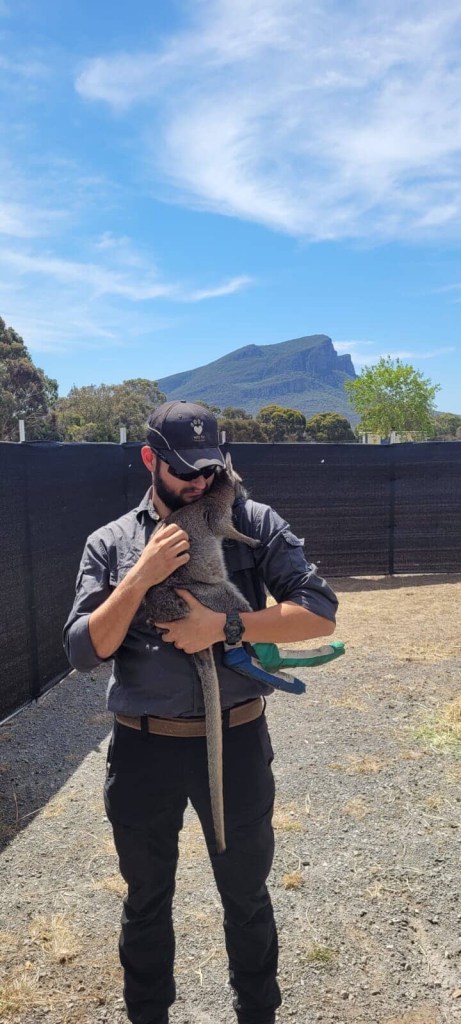
Despite witnessing some of Australia’s worst environmental disasters, Jacob remains optimistic about the future.
His message was simple: wildlife needs people willing to care.
Whether that’s becoming a wildlife rescuer, supporting local carers, slowing down on roads at dawn and dusk, or simply learning more about native animals, everyone can play a role.
As he reflected on Australia’s extinction crisis, one message stood out:
“We’ve got to do everything that we can to protect our wildlife, protect our environment.”
For a country home to some of the world’s most unique species, it’s a reminder that conservation isn’t somebody else’s responsibility.
It’s all of ours.
Further Reading
Australian Mammal Decline
- Australian Wildlife Conservancy – Mammal Extinction Crisis
- Ten Threatened Mammals Being Saved From Extinction

