What We Get Wrong About Sharks with Marine Biologist Bella Graham

Few animals capture public attention quite like sharks.
When a shark bite occurs, headlines dominate the news cycle, social media erupts with opinions, and calls for action often follow. Yet beneath the emotion and media attention lies a more complicated reality.
In Episode 10 of The Middle Ground Project, marine biologist and shark specialist Bella Graham joined us to discuss shark behaviour, public perception, ocean safety and why understanding these animals is critical for both human safety and marine conservation.
The conversation wasn’t about ignoring the tragedy of shark bite incidents. Instead, it was about asking a simple question:
Are we having the right conversation about sharks?
Why Language Matters
One of the first topics explored was the growing movement among researchers to shift away from terms like “shark attack.”
While the phrase has become deeply embedded in media reporting, many scientists argue it creates a misleading picture of shark behaviour. Most incidents are not predatory attacks in the way many people imagine. Instead, they are often brief interactions, exploratory bites or cases of mistaken identity.
The language we use shapes how the public views wildlife.
By using more accurate terms such as shark bite or shark interaction, conversations can become more focused on understanding behaviour rather than generating fear.
The Risk We Think Exists vs The Risk That Actually Exists
One of the strongest messages from the episode was that human perception of risk is often very different from reality.
Bella explained that while shark incidents receive enormous media attention, they remain statistically rare.
“This is not a usual or a standard thing.”
She highlighted how people often focus on highly publicised shark incidents while overlooking far more common dangers.
“You look at walking along the beach, getting a coconut dropped on you, getting killed by a car… all these other things have a higher chance and higher probability.”
The problem isn’t that shark bites don’t happen.
The problem is that a single incident can dominate headlines for weeks, creating the impression that sharks pose a far greater threat than they actually do.
“One interaction gets exploited worldwide in media… over and over and over again.”
As a result, public fear can become disconnected from actual risk.
Understanding Why Shark Bites Occur
A key theme throughout the discussion was that shark bites don’t happen randomly.
Environmental conditions often play a significant role in determining where sharks are likely to be found.
Bella explained that factors such as food availability, water conditions and habitat influence shark movement.
“When you understand what these sharks are feeding upon, you’ve got healthy food abundance, this is where you’re going to find those sharks. They are more attracted to murky water as it has high nutrient levels and it’s easier to catch prey due to low visibility.”
Understanding these patterns allows people to make better-informed decisions when entering the ocean.
Rather than viewing sharks as unpredictable monsters, Bella encouraged listeners to see them as wild animals responding to environmental conditions.
Ocean Safety Through Education
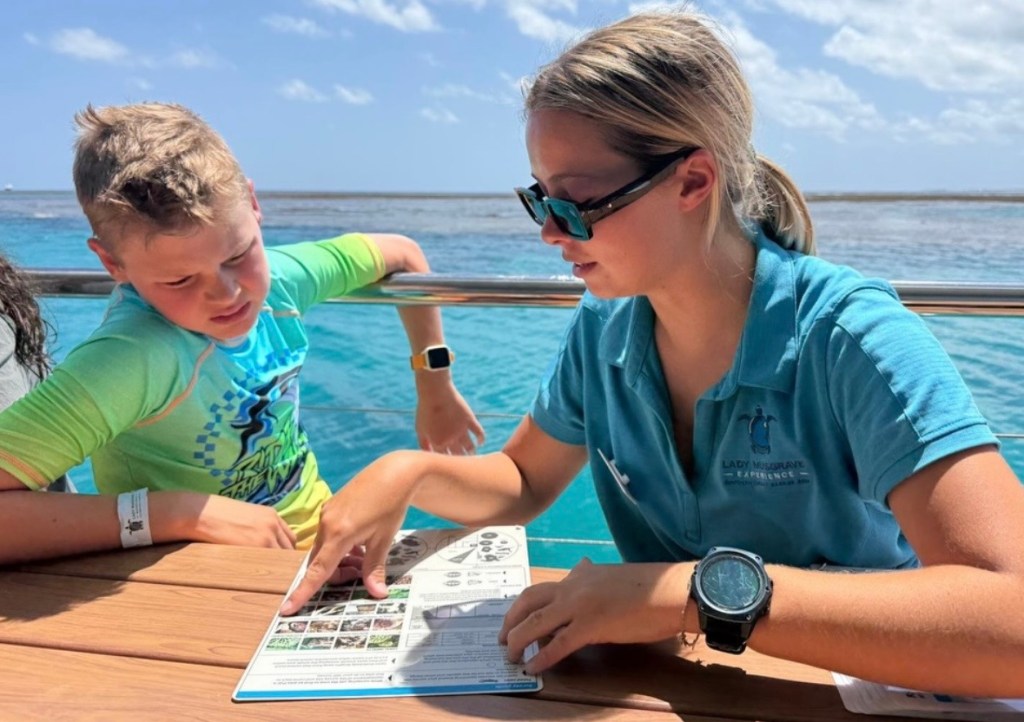
Rather than relying solely on shark mitigation programs, Bella emphasised the importance of education and awareness.
“It’s just knowing where to be looking and understanding a little bit more of that behaviour.”
Some key considerations include:
- Avoiding murky water
- Being cautious after heavy rainfall
- Watching for schools of baitfish
- Swimming at patrolled beaches
- Understanding local conditions before entering the water
The Real Threat Facing Sharks
While shark bites dominate public discussion, Bella pointed out that the greatest threat in this relationship is not sharks harming humans.
It’s humans harming sharks.
“We’re seeing these huge detrimental impacts in our oceans with the use of shark finning, overfishing, shark fishing.”
As apex predators, sharks play a critical role in maintaining balance throughout marine ecosystems.
“We’re getting rid of all these apex animals and it’s having this impact on our ecosystem that we have never seen before.”
Many shark species around the world are now experiencing significant population declines due to fishing pressure and habitat degradation.
For Bella, protecting sharks is ultimately about protecting ocean health.
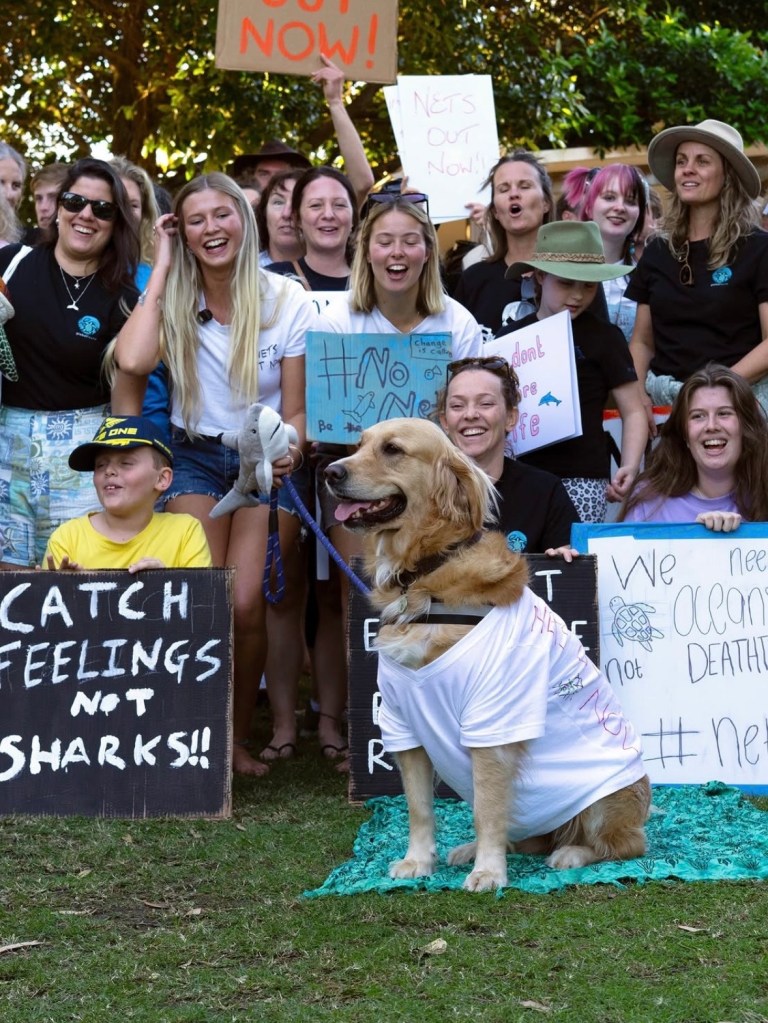
Finding the Middle Ground
Sharks occupy a unique place in our collective imagination.
They are feared, misunderstood, admired and essential all at the same time.
Our conversation with Bella Graham highlighted a simple truth:
The more we understand sharks, the less we need to fear them.
That doesn’t mean ignoring risk.
It means replacing emotion with evidence, replacing myths with science and recognising that the ocean remains a wild environment deserving both respect and appreciation.
As Bella reminded us throughout the episode, sharks are not villains.
They are simply animals doing what they have done for millions of years.
And if we want healthy oceans into the future, understanding them has never been more important.

